The Art of the Blend
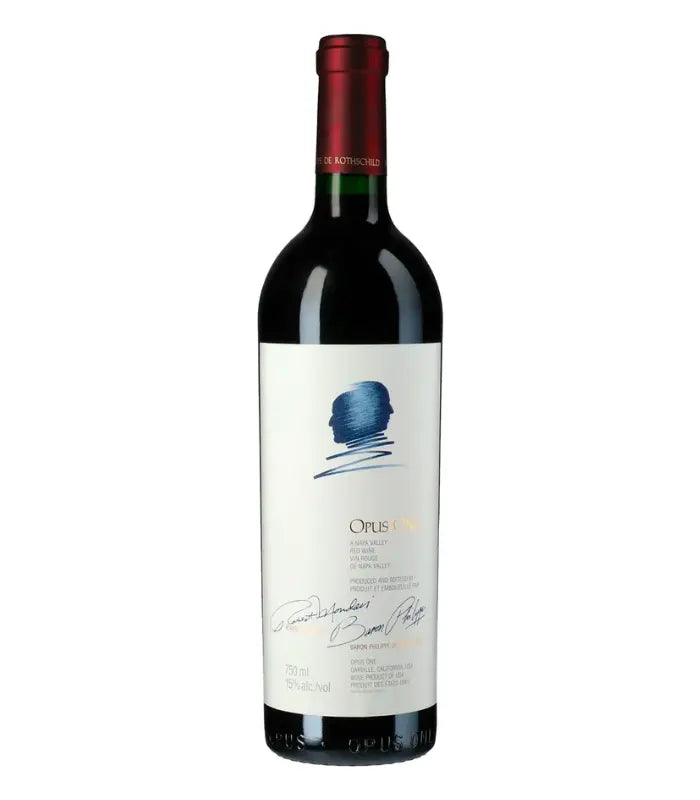
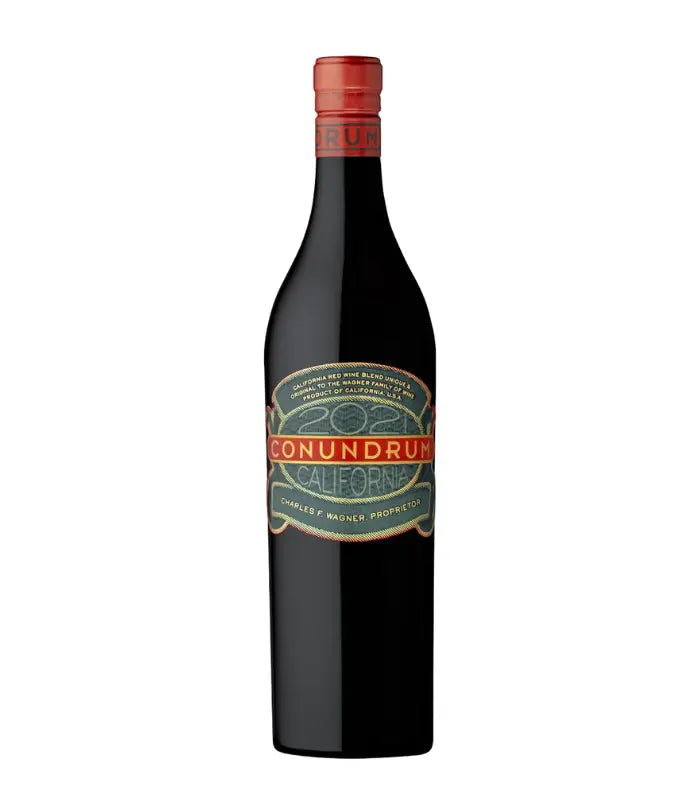
Red blend wines represent one of the most dynamic and expressive categories in the wine world. At The Barrel Tap, our selection brings together bottles that showcase the intentional layering of grape varieties—each component contributing something distinct to the final pour. These are wines built on balance, where the tannin structure of one grape meets the fruit-forward brightness of another, creating complexity that single-varietal wines simply cannot achieve on their own.
What Makes a Red Blend?
The category spans an impressive range of styles, from bold Bordeaux-inspired compositions featuring Cabernet Sauvignon, Merlot, and Cabernet Franc to sun-drenched Southern Rhône arrangements built around Grenache, Syrah, and Mourvèdre. California producers have established their own traditions, often combining Zinfandel with Petite Sirah for wines that deliver concentrated dark fruit and spice. Italian super Tuscans merge Sangiovese with international varieties, while Spanish winemakers blend Tempranillo with Garnacha for wines that balance earthy undertones with ripe cherry notes.
Why buy red blend wine? The answer lies in versatility and value. Blending allows winemakers to smooth rough edges, amplify desirable characteristics, and craft wines that drink beautifully upon release while still offering aging potential. For shoppers, this translates to bottles that pair effortlessly with a wide range of foods and occasions—from Tuesday night pasta to Saturday dinner parties.
Flavor Profiles Worth Exploring
Our collection includes red blends across the flavor spectrum. Look for bottles emphasizing dark fruit—blackberry, plum, and cassis—often accompanied by notes of vanilla, tobacco, or baking spices from oak aging. Other selections lean toward red fruit profiles, with bright cherry and raspberry lifted by floral or herbal aromatics. Some blends prioritize structure and grip, built for pairing with grilled steaks or braised short ribs, while others offer softer tannins and immediate drinkability suited to casual sipping or lighter fare like roasted chicken or mushroom risotto.
Regions That Define the Style
Geography shapes character in meaningful ways. Napa Valley and Paso Robles produce blends with generous fruit concentration and polished tannins. Washington State's Columbia Valley delivers wines with bright acidity and distinctive minerality. From across the Atlantic, Châteauneuf-du-Pape and Côtes du Rhône offer earthy, garrigue-scented wines, while Priorat in Spain produces intensely concentrated bottles from old-vine Garnacha grown on steep slate slopes. Argentina contributes Malbec-dominant blends with violet aromatics, and South Africa's Cape blends showcase the country's unique terroir through combinations of Pinotage, Shiraz, and Cabernet Sauvignon.
Choosing Your Next Bottle
Consider the occasion when browsing. Everyday drinking calls for approachable blends in the moderate price range—wines with enough character to hold your attention but enough ease to pour without ceremony. Special occasions or gift-giving might warrant bottles with more complexity, perhaps aged releases or limited-production cuvées that reward contemplation. For collectors, certain red blends develop beautifully over five to fifteen years, gaining secondary notes of leather, dried fruit, and forest floor as primary fruit recedes.
Food pairing flexibility makes these wines particularly practical. Medium-bodied selections complement everything from charcuterie boards to lamb chops, while fuller expressions stand up to smoked brisket or aged cheeses. The inherent balance of well-made blends means fewer mismatches at the dinner table—a meaningful advantage for hosts planning menus around a single wine selection.
Browse the Collection
The bottles gathered here reflect thoughtful winemaking from respected regions and producers. Whether you gravitate toward the structure of Bordeaux-style wines, the warmth of Rhône varieties, or the fruit-driven intensity of New World expressions, the selection offers clear options at various price points. Each bottle represents a winemaker's deliberate choices about which grapes to combine, in what proportions, and toward what effect—decisions that ultimately land in your glass as something greater than the sum of its parts.