The Art of Pink: Exploring Rosé Wine
Rosé sits at a fascinating crossroads in the wine world—neither fully red nor white, yet possessing qualities that make it distinctly its own. At The Barrel Tap, our rosé collection spans the spectrum from bone-dry Provençal styles to fruit-forward California bottlings, giving you access to one of wine's most versatile and food-friendly categories. Here you'll find bottles suited for warm-weather afternoon sipping, elegant dinner pairings, and celebratory gatherings alike.
What Makes Rosé Different
The signature blush colour of rosé comes from limited contact between grape juice and red grape skins—sometimes just a few hours, sometimes up to a day or two. This brief maceration extracts pigment and subtle tannins without the fuller extraction that defines red wine. Winemakers employ several techniques: the saignée method bleeds off juice from red wine production, direct pressing extracts colour gently from the crush, and blending (common in sparkling rosé) combines finished red and white wines. Each approach yields different intensity levels and flavour profiles, from the palest salmon hues to deeper cherry-pink tones.
Regional Styles Worth Knowing
Provence remains the spiritual home of dry rosé, producing wines with restrained red fruit, herbal undertones, and a minerality that pairs seamlessly with Mediterranean cuisine. These bottles often feature notes of white peach, dried herbs, and a saline finish that practically demands seafood. Spanish rosado from Navarra and Rioja offers bolder strawberry and watermelon character, frequently with slightly more body. Italian rosato—particularly from Puglia and Abruzzo—tends toward bright acidity with fresh cherry and citrus notes.
Closer to home, American rosé has evolved dramatically. California producers craft everything from Pinot Noir-based bottlings with delicate raspberry and floral notes to Grenache-driven wines with ripe melon and stone fruit. Oregon's cooler climate yields particularly elegant expressions, while New York's Finger Lakes region has emerged as a surprising source of crisp, mineral-driven pink wines.
Why Buy Rosé Wine for Your Next Occasion
Few wines match rosé's ability to shift effortlessly between casual and sophisticated settings. A chilled bottle elevates a simple lunch of grilled vegetables and fresh bread, yet the same wine holds its own alongside roasted salmon or herb-crusted lamb. For entertaining, rosé sidesteps the red-or-white dilemma entirely—its lighter body and refreshing acidity appeal to diverse palates without demanding the cellaring temperature of full-bodied reds.
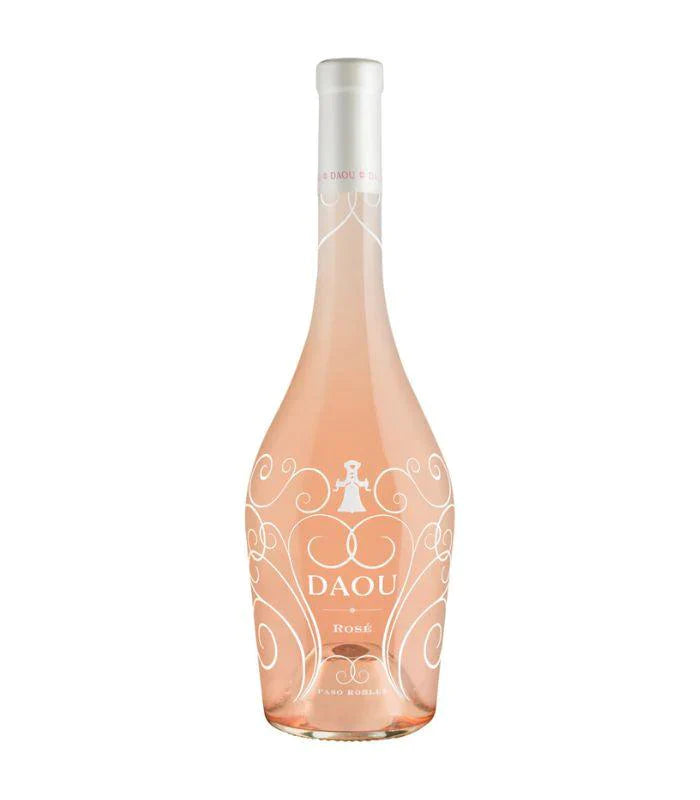
Gift-giving presents another compelling reason to explore this category. The distinctive bottles—often in pale glass that showcases the wine's colour—make an immediate visual impression. A thoughtfully chosen rosé suggests both taste and intention, particularly during spring and summer months when pink wine consumption peaks.
Tasting Notes and Food Affinities
Expect flavours ranging from tart red currant and grapefruit in leaner styles to ripe strawberry, watermelon, and honeydew in warmer-climate bottlings. Many rosés carry subtle floral or herbal qualities—think rose petal, lavender, or fresh thyme. The best examples balance fruit with enough acidity to feel refreshing rather than sweet, finishing clean rather than cloying.
At the table, rosé excels with dishes that might overwhelm delicate whites but clash with tannic reds. Charcuterie boards, goat cheese salads, grilled prawns, roast chicken, and vegetable tagines all find natural companions here. The wine's versatility extends to spicier cuisines as well—Thai, Vietnamese, and Indian dishes often pair beautifully with off-dry or fruit-forward rosé styles.
Serving and Storage
Serve rosé well chilled, between 7-13°C depending on the style—lighter Provençal wines benefit from colder temperatures, while fuller-bodied examples show better complexity slightly warmer. Unlike most red wines, rosé generally drinks best young; the fresh fruit character that defines the category fades within a year or two of release. Purchase with near-term enjoyment in mind, and store bottles on their sides in a cool, dark space until you're ready to pour.
Browse our selection below to find rosé wines suited to your preferences, from everyday drinking options to special bottles worthy of your most memorable meals.